Indications Your Home Needs Foundation Repair: Don't Wait Until It's Also Late
Numerous homeowners forget very early indications of foundation issues, frequently rejecting them as small aggravations. Splits in wall surfaces, uneven floors, and sticking doors might seem unimportant. These symptoms can direct to deeper issues that endanger the integrity of a home. Neglecting these indications can bring about pricey repairs and security risks. Understanding the very early indication is crucial for keeping a safe living setting. What should house owners be watchful regarding?
Splits in Wall Surfaces and Ceilings
When a property owner notices cracks creating in ceilings and wall surfaces, it might show underlying concerns with the foundation. These fractures can vary in dimension and instructions, typically showing up as upright, horizontal, or angled lines. Small hairline fractures might be benign, arising from regular settling; nonetheless, broader, much more obvious cracks can indicate considerable architectural issues. Homeowners need to pay focus to the area of the splits as well. Cracks near doors and windows might recommend that the foundation is moving, hindering the typical operation of these openings. Furthermore, if the fractures remain to multiply or increase, it is prudent to speak with a foundation specialist. Timely intervention can avoid additional damages and guarantee the honesty of the home's structure.
Sloping or unequal Floorings
Sloping or uneven floorings can be a clear sign of foundation problems within a home. This problem usually emerges when the foundation clears up erratically, creating a shift in the structural integrity of your house. Property owners may observe that certain areas of the floor are significantly greater or lower than others, causing a sense of discrepancy. In serious instances, the flooring might really feel bouncy or ancient when strolled upon - Basement Foundation Repair. Such signs and symptoms can signal potential issues with the foundation, requiring prompt attention. Overlooking these signs can result in even more significant damage gradually, influencing not just the floorings but also the total security of the home. Timely assessment by a professional can avoid escalating fixing prices and ensure safety and security
Doors and Windows That Stick
Signs of foundation issues can show up in numerous methods, consisting of doors and home windows that stick. When a home's foundation shifts or clears up erratically, it can lead to imbalance in door and home window frames. This imbalance frequently leads to doors that reject to open or shut efficiently and windows that are difficult to operate. Home owners might observe enhanced rubbing when attempting to make use of these fixtures, which might indicate underlying architectural concerns. Furthermore, sticking doors and windows can create voids that permit drafts and wetness to go into, aggravating power inadequacy and prospective damage. Dealing with these signs immediately can avoid additional issues and guarantee the home continues to be comfy and safe and secure. Identifying these signs is crucial for preserving the stability of the residential or commercial property.
Voids Around Door Frames and Windows
Reasons for Voids
When a home experiences shifts in its foundation, it can lead to noticeable rooms developing around door frameworks and home windows. A number of variables may contribute to these shifts. Soil motion, commonly caused by dry spell, heavy rainfall, or extensive clay, can undermine a foundation's stability. Furthermore, poorly mounted or damaged gutters might lead to water pooling around the foundation, intensifying disintegration. Tree roots expanding too close can likewise apply stress on the foundation, creating it to settle erratically. Age is a significant variable; as homes resolve over time, the products might warp or reduce, leading to voids. Comprehending these causes is vital for homeowners to address foundation issues before they intensify into extra serious problems.
Repairing Door Frame Issues
Water Build-up in the Basement or Creep Room
Water accumulation in the basement or crawl room may seem like a minor issue at initially, it often signals underlying foundation problems that call for immediate attention (Foundation Repair). This water breach can stem from various resources, including inadequate drainage systems, inadequate grading, or damaged rain gutters. When left unaddressed, built up water can cause mold and mildew development, timber rot, and other moisture-related issues that compromise the architectural stability of the home. Property owners need to frequently examine these locations for standing water or wetness, specifically after heavy rainfall. Timely treatment is vital; resolving the source of the water build-up not only protects the foundation but additionally keeps a much healthier living environment. Ignoring this advising indication can lead to extra expensive and comprehensive repair services down the line
Bowing or Leaning Walls
Bowing or leaning wall surfaces can suggest significant structural concerns within a home, frequently originating from dirt pressure or water damages. House owners should be cautious for signs such as fractures, irregular surfaces, and doors or home windows that stick. Recognizing the reasons and available repair options is essential for maintaining a stable and risk-free living setting.
Sources Of Bowing Walls
When walls begin to lean or bow, it commonly indicates underlying concerns that can threaten the honesty of a home. One primary reason for this sensation is too much moisture in the dirt bordering the foundation, leading to hydrostatic pressure that presses against the walls. Poor drain systems can worsen this issue, allowing water to accumulate near the foundation (Basement Foundation Repair). In addition, soil disintegration can undercut the ground support, further contributing to wall surface activity. Tree roots can also pose a danger, as they might soak up wetness from the dirt or exert force on the foundation. Lastly, poor building methods or products can deteriorate wall framework, making them extra prone to bowing gradually. Dealing with these reasons promptly is important for preserving structural safety
Indications to Expect
Exactly how can home owners recognize the additional resources signs of bowing or leaning walls prior to they escalate right into a lot more extreme concerns? Early discovery is vital for stopping additional damage. House owners should try to find noticeable splits in walls, particularly those that are broader at the top than all-time low. Uneven or sloped floors might also signal foundation troubles. Doors and windows that stick or do not close properly can show changing walls. Furthermore, gaps between ceilings and wall surfaces or trim might develop, disclosing movement in the structure. House owners ought to regularly check these areas, as neglecting these indicators can bring about substantial structural damage and pricey repair services. Recognizing these issues without delay enables for prompt intervention and conservation of the home's honesty.
Repair Options Available
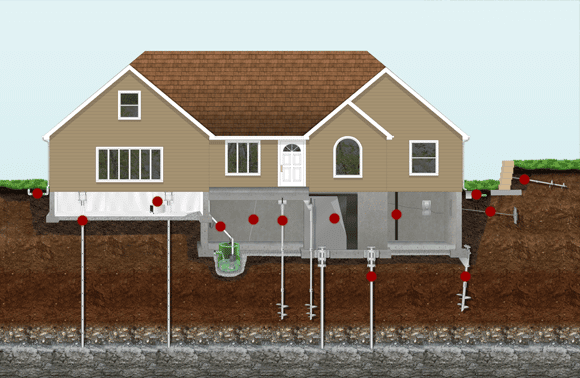
Addressing bowing or leaning wall surfaces requires a series of reliable repair options to bring back structural honesty. One common approach is the setup of wall anchors, which offer external support by securing the wall to secure soil. In addition, helical piers can be used to move the lots of the structure deeper right into the ground, stabilizing the foundation. Another option is using carbon fiber straps, which enhance the walls and stop more movement. In extreme situations, rebuilding the affected wall surface might be essential. Property owners ought to seek advice from foundation repair service professionals to examine the severity of the problem and identify the most suitable repair work method, ensuring long-lasting stability and security for the home.
Foundation Settlement or Heaving
Foundation negotiation or heaving can substantially impact a home's structural stability. This phenomenon takes place when the ground beneath a structure changes, causing it to sink or increase unevenly. Settlement usually arises from dirt compaction, wetness adjustments, or disintegration, while heaving is usually connected to freeze-thaw cycles or expansive clay soils. Homeowners may notice cracks in walls, unequal floors, or doors that decline and stick to close correctly. Such signs indicate that the foundation is experiencing tension, which can lead to more serious damage if left unaddressed. Prompt examination and intervention are important to minimize risks and ensure the durability of the home. Addressing foundation problems quickly can save home owners substantial repair service prices and enhance safety and security.
Regularly Asked Inquiries
Exactly How Much Does Foundation Repair Typically Expense?
Foundation repair work costs typically vary from $2,000 to $7,000, relying on the extent and technique used. Facility concerns or comprehensive damage can press expenditures higher, often going beyond $15,000 for considerable repair services or structural supports.
Can I Fix Foundation Issues Myself?
Fixing foundation issues independently is possible for minor troubles; however, substantial damages normally calls for professional competence. Homeowners must very carefully assess their abilities and the extent of the problems before attempting self-repair. Specialist aid is typically advised.
For How Long Does Foundation Repair Take?
Foundation repair work normally takes anywhere from a couple of days to numerous weeks, depending on the intensity of the damage and the approaches employed. Aspects such as weather and contractor availability can also affect the timeline.
What Causes Foundation Troubles in Houses?
Foundation troubles in homes can arise from various aspects, including dirt movement, water damage, poor water drainage, tree roots, and construction defects. Each of these problems can endanger architectural integrity, resulting in significant long-term damage if not dealt with.
Is Foundation Repair Covered by Homeowners Insurance Policy?
Foundation fixing insurance coverage varies by homeowners insurance plan. Generally, damages from abrupt accidents may be covered, while gradual wear and damage or tear from all-natural components typically isn't. Property owners ought to assess their particular policy for clarity.
Numerous homeowners neglect early indicators of foundation concerns, typically dismissing them as minor hassles. When a homeowner notifications splits forming in ceilings and wall surfaces, it might suggest underlying issues with the foundation. Sloping or unequal floors can be a clear indicator of foundation concerns within a home. Gaps around door frameworks and windows can suggest underlying foundation issues, commonly resulting from changes in the home's framework. Fixing foundation problems individually is feasible for small problems; nonetheless, substantial damages typically needs professional knowledge.